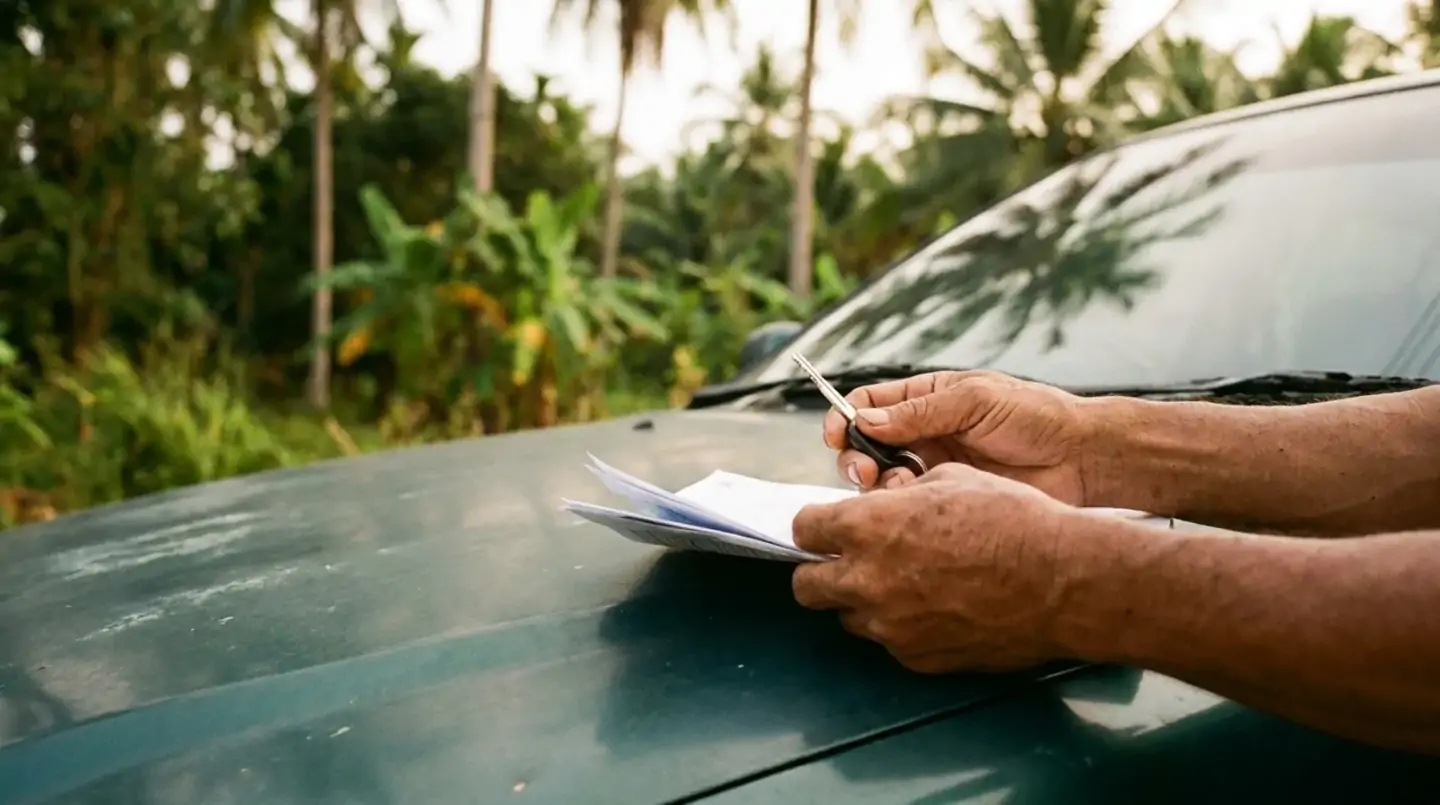
Renting an Electric Vehicle in Phuket
An electric vehicle works beautifully in Phuket on one condition: reliable charging where the car spends the night. Everything else — the quiet cabin, the smooth pull up the hills, never queueing at a fuel station — comes as a bonus. The charging point is what decides whether the trip is relaxed or becomes a planning exercise.
from 778 ฿ per dayshoulder season, 30+ days · delivery and deposit are extra
Cars available on your datesUpdated 13 September 2026
- Delivery to your hotel and the airport
- Answers in chat, no phone calls
- We go through the insurance before you sign
How charging works on the island
The anchor points are the large shopping centres and a share of the hotels: chargers sit in the car parks, run through an app, and are usually free on a weekday. If there is nowhere to charge at home, the day gets built around them — which works, but means the car dictates part of your schedule instead of the other way round.
Charging at your accommodation is the version everyone actually wants. The car is plugged in when you get back, full when you leave, and the public network becomes something you never think about. Ask the property directly whether guests may use the charger and whether there is a fee, because assumptions here go wrong in both directions.
Speeds vary more than the labels suggest. A fast unit at a mall does useful work during lunch; a slow wall box overnight does the same job while you sleep and is gentler on the battery. Neither is worth chasing at the expense of your day: on an island this size, overnight charging alone covers almost every itinerary a visitor has.
What it means for the car
The pull is available immediately, and on this island's hills that feels good. The climb between Kathu and Patong goes by without gear changes and without engine noise, and the steep concrete driveway up to a hillside villa stops being an event. Anyone who has slipped a clutch on that sort of slope in a small petrol hatchback will notice the difference within a day.
The price is consumption. A sustained climb drains the battery faster than the distance suggests, and while the descent hands some back through regeneration, it never hands back all of it. On a day that crosses the island twice over the hills, plan for meaningfully less range than the flat-road figure implies.
Braking behaviour is the other adjustment. Strong regeneration means the car slows the moment you lift off, which on a long descent is genuinely useful — it keeps the friction brakes cool where a petrol car's would be fading. It also means the driver behind you sees no brake lights while you slow, so leave a bigger gap in traffic until the habit settles.
Who this class does not suit
Anyone with nowhere to charge at home. Life around public chargers is possible, but it turns a holiday into logistics: the route follows the car parks rather than your plans, and one occupied bay rearranges an evening. On a two-week stay that adds up to real time.
It also does not suit a trip built around mainland excursions. Beyond the bridge the network thins out and the distances get long, and an electric car turns a spontaneous day in Krabi into a scheduled one. If half your plans point away from the island, take petrol and keep the freedom.
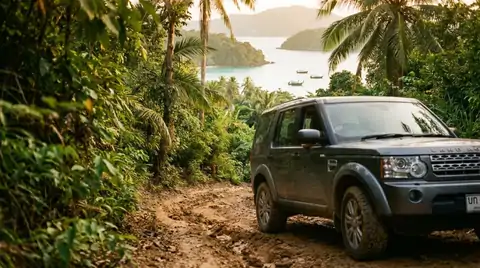
The last group is anyone staying at the end of a rough, unsurfaced track. The battery pack sits under the floor, ground clearance on the affordable models is modest, and a rutted access road with a high crown in the middle is the exact geometry that finds it. Check the last two hundred metres of the approach before deciding.
ImportantDo not charge from a household extension lead, however convenient the socket looks. This is a sustained high load for many hours in a hot, humid climate, and thin cable and cheap connectors heat up. Use a proper wall unit or the car park chargers, and if the villa offers a socket, ask what it is actually rated for.
What to do, step by step
Before you book, find out about charging where you will be staying, and locate two working public chargers nearby. Two rather than one: an occupied or broken point is an ordinary occurrence here, and the backup is what saves the evening.
At handover, check the cable, the adapter and the app while it is still daylight and someone knowledgeable is standing next to you. Plug in once, watch the session start, and unplug. Five minutes there removes the entire category of problem that otherwise appears at a mall at nine in the evening.
- Confirm the charging point at your accommodation before booking — it is the deciding factor
- Find two working chargers near your base; an occupied point is an ordinary event here
- Test the cable, the adapter and the app at handover, not later that night
- Allow extra for air conditioning; the published range does not repeat itself in this heat
- Stay off dirt tracks and deep puddles — the battery is under the floor and clearance is limited
What an electric car gives you here
The first thing is silence in traffic. The coastal road in the evening barely moves, and in an electric car that is a different experience: no vibration, no warm engine underneath you, air conditioning running steadily without the idle note. An hour of stop-start that would be tiring becomes merely slow.
The second is that fuel stops disappear from the week. No detour on the way to the airport, no queue behind a line of scooters, no wondering whether the tank policy was full-to-full or something more creative. The car is charged when you leave in the morning, and the whole category of errand goes away.
The third is the hills, which on this island you meet whether you planned to or not. Instant torque makes short steep climbs undramatic, and heavy regeneration takes the fear out of the descents that make first-time visitors nervous about their brakes. If your accommodation has a charger, tell us where you are staying on WhatsApp — Telegram works too — and we will check the practicalities for your dates before you commit.
Cars of this class in the fleet
| Model | Seats | Gearbox | Engine | |
|---|---|---|---|---|
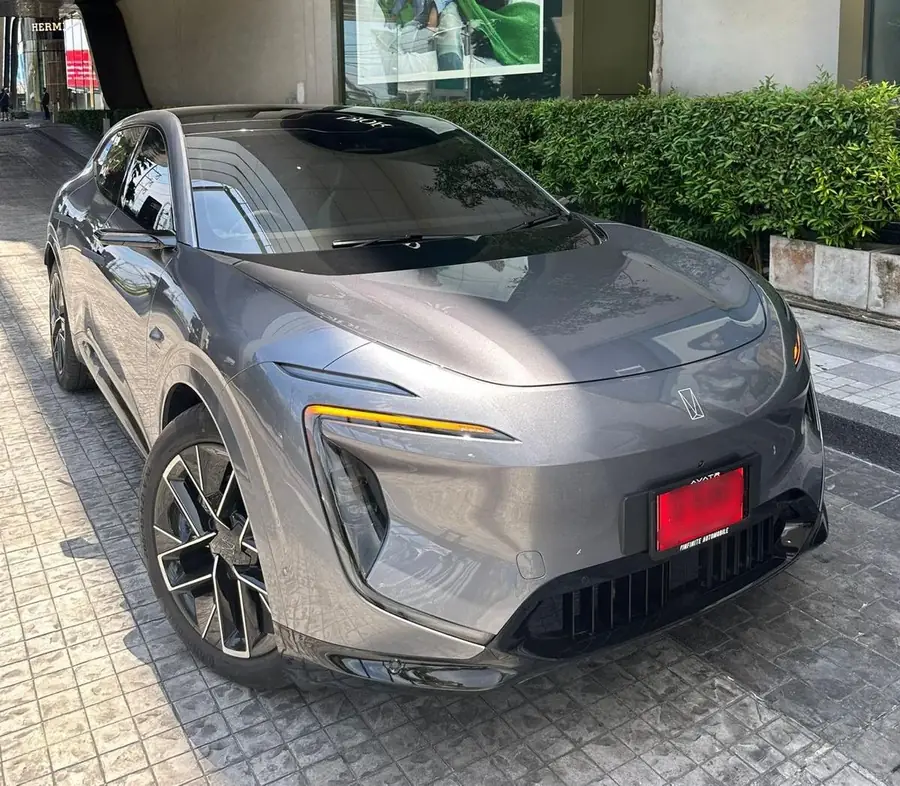 | AVATR 0072024 | 5 | — | 425 kW, Электро |
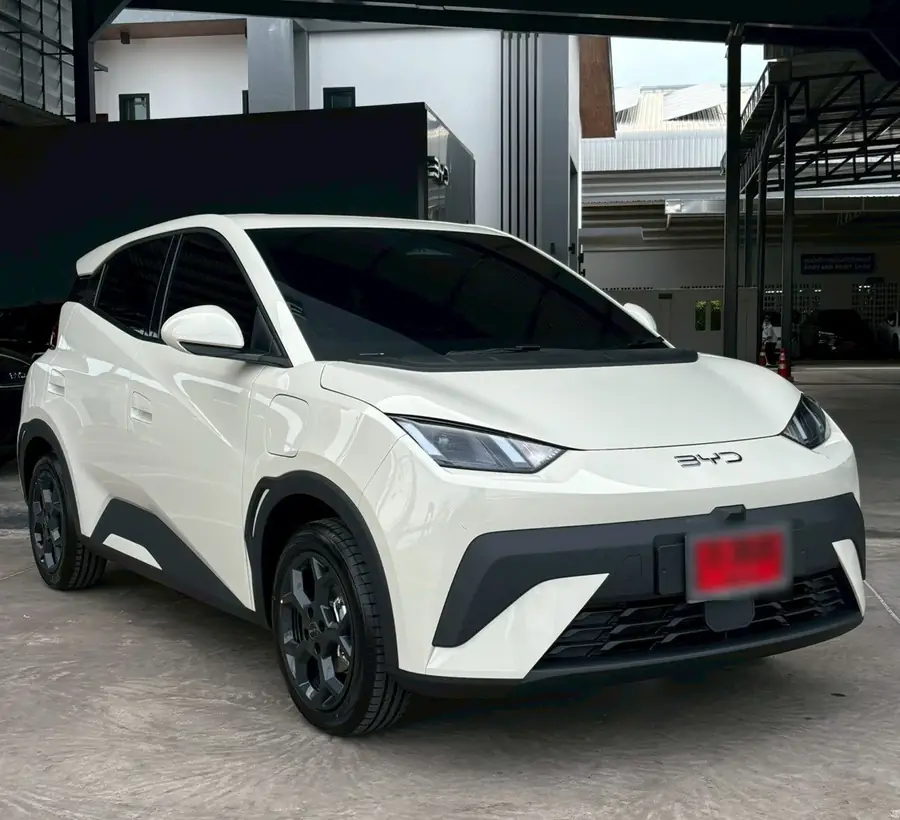 | BYD ATTO 12024 | 5 | — | 150 kW, Электро |
Cars for this trip
See all →
Common questions
Where can I charge an electric car in Phuket?
The most reliable public points are in the car parks of the big shopping centres, with more at some hotels and condominium buildings. Charging where the car sleeps is far better than either, and worth confirming before you book.
Is the range enough for getting around the island?
Yes, easily, for a normal day of beaches, shopping and restaurants. Phuket is small, speeds are low, and a typical day uses only part of a modern battery even with air conditioning on throughout.
Can I drive an electric car to Khao Lak or Krabi?
It is possible with a full battery and a planned stop, but the network beyond the bridge is thin and the gaps are long. For a spontaneous mainland day trip, a petrol car is simply less work.
How does an electric car cope with Phuket's hills?
Very well going up, because full torque is there from a standstill and there are no gear changes on a climb. Going down, strong regeneration keeps the friction brakes cool on descents where petrol cars often start to fade.
What should I check when I collect the car?
The cable, the adapter and the charging app, all tested once while it is still light outside. Connector standards vary here, and finding out about a mismatch in a dark car park is the worst possible time.
Can I take an electric car onto dirt roads?
Better not to. The battery pack sits under the floor and clearance on the affordable models is limited, so a rutted track with a raised crown in the middle is exactly what you want to avoid.
Write to us — we will find the right car
We answer in chat: no forms, no phone calls, no waiting on hold.